
Summer School, 2001 marks an important milestone for both Vietnamese and Czech cinema as the first feature film centered on the experiences of Vietnamese people living in the Czech Republic. Directed by Vietnamese-Czech filmmaker Dužan Duong, the film draws heavily from his own childhood memories growing up within the Vietnamese diaspora community in Prague during the early 2000s. Rather than presenting an idealized version of immigrant life, the film explores themes of identity, cultural displacement, family pressure, and belonging through a more grounded and emotionally complex lens.
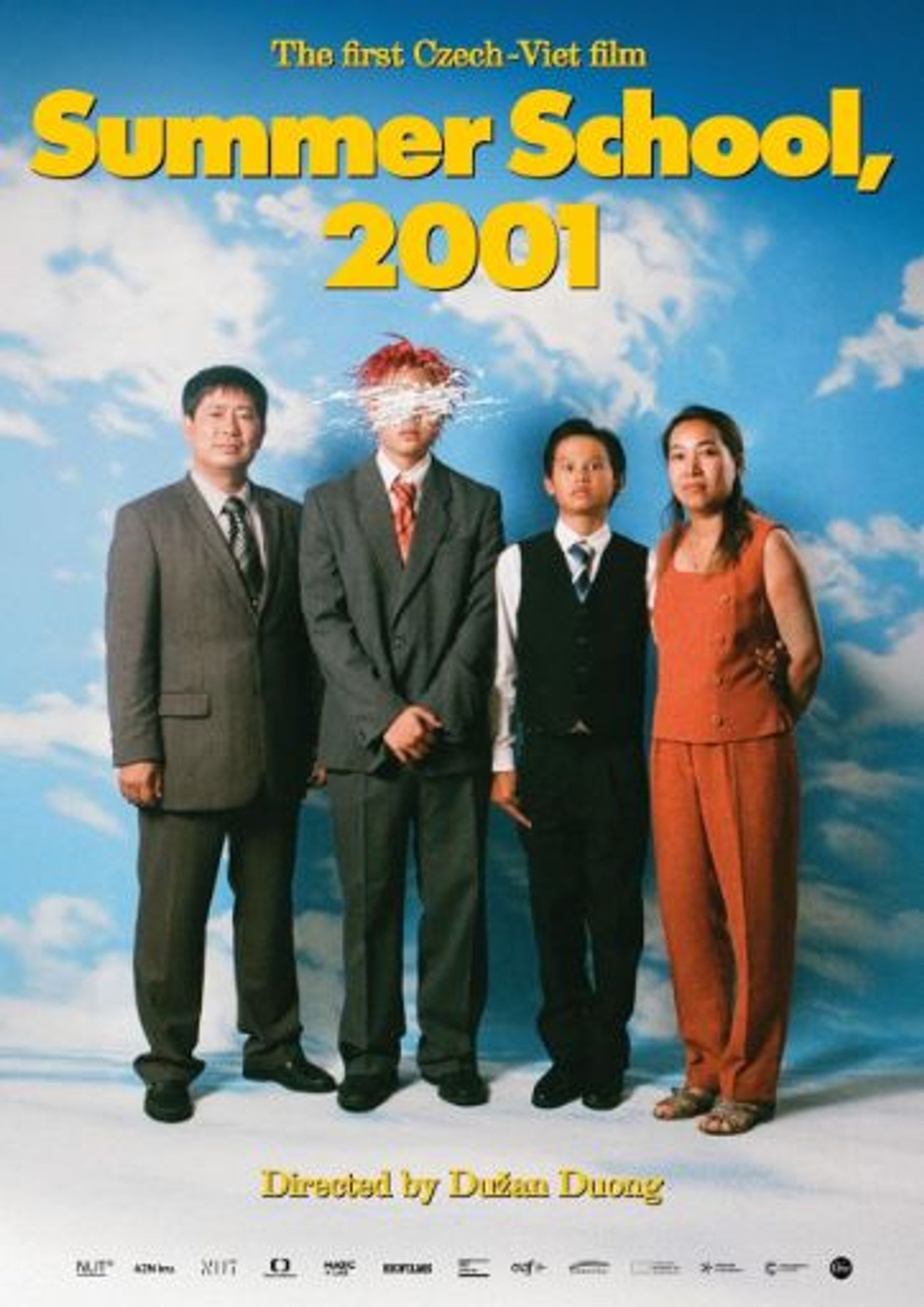
Cre: Embassy of the Czech Republic in Washington, DC
Set in the summer of 2001, the story follows a young Vietnamese boy navigating adolescence while balancing two very different worlds: the expectations of his immigrant family at home and the realities of growing up in Czech society. Through everyday interactions, school life, friendships, and moments of cultural misunderstanding, the film paints an intimate portrait of second-generation immigrant identity - particularly the feeling of existing between two cultures without fully belonging to either.
What makes Summer School, 2001 especially significant is its perspective. For decades, the Vietnamese community in the Czech Republic has remained one of the country’s largest immigrant populations, yet their stories have rarely appeared in mainstream European cinema. Dužan Duong’s film, therefore, represents not only a personal story but also a broader cultural milestone that brings visibility to a community often overlooked on screen.
Critics have praised the film for its naturalistic performances, understated humor, and realistic depiction of immigrant family dynamics. Rather than relying on stereotypes or simplified narratives, the film approaches its characters with emotional nuance, portraying both the struggles and resilience of Vietnamese families trying to build lives abroad. The cinematography and production design also carefully recreate the atmosphere of the early 2000s, adding a layer of nostalgia for audiences familiar with that era.
The project itself was supported through a major international production effort. Summer School, 2001 was co-produced by Czech Television and received backing from national and regional audiovisual funds, alongside additional financing from EU Next Generation initiatives and the Czech Ministry of Culture. The level of institutional support reflects the growing recognition of multicultural storytelling within European cinema today.

Cre: Embassy of the Czech Republic in Washington, DC
Following its release, the film received strong acclaim on the international festival circuit. It won Best Film at Viet Film Fest 2025 and later gained further recognition at the Czech Film Critics’ Awards 2026, where it received the award for Best Screenplay while Dužan Duong was honored as Discovery of the Year. These achievements helped position the film as one of the most important Vietnamese diaspora productions in recent years.
The film will be screened in both Vietnamese and Czech with English subtitles, allowing wider international audiences to engage with its story across languages and cultures. For many viewers, Summer School, 2001 is more than simply a coming-of-age drama — it is also a rare cinematic reflection of diaspora identity, memory, and the complexities of growing up between cultures.